

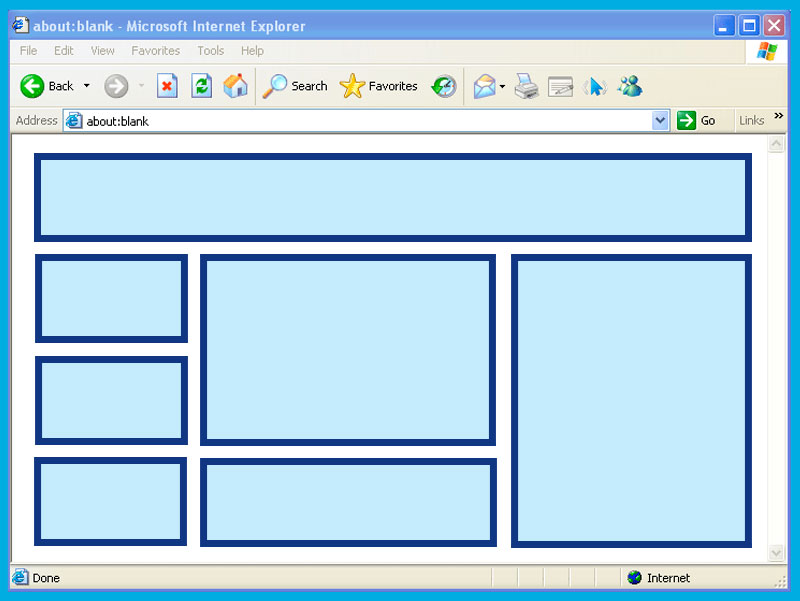
Ah, the humble HTML table. Once the crown jewel of web design, now a relic that makes modern developers roll their eyes and mutter, “Not this again.”
For those who lived through the early internet days, tables were everything.
They weren’t just for organizing data—they were the web designer’s duct tape, scaffolding, and blank canvas. Nested tables? Oh, that’s where the magic (or madness) happened.
Grab your coffee (or therapy cat); we’re diving into the wild world of tables.
A Brief History: When Tables Ruled the Web
Back in the ’90s, CSS wasn’t the stylish, responsive powerhouse it is today. Instead, web designers had one tool to bring order to the chaos of the web: tables. Need a multi-column layout? Use a table. Want pixel-perfect alignment? Add a table inside a table! Fancy a header bar? That’s right, table time.
Developers built sites like Russian nesting dolls, stuffing tables within tables within tables. It was a symphony of Sure, your HTML ended up looking like the blueprint for an IKEA bookshelf, but it worked! Mostly. Sometimes. Until you had to debug it. Ah, nested tables—a concept so notorious, it might as well come with a warning label: “Abandon hope, all ye who enter here.” Let’s say you had a simple layout idea. Easy, right? But by the time you finished nesting tables for your header, sidebar, footer, and “fun, animated GIF section,” your HTML looked like it had been possessed by a rogue AI. Forget styling; you needed a PhD in archaeology just to locate that one rogue Modern devs with their fancy flexbox and grid don’t know the struggles. Nested tables were the original escape rooms of web design. If you could debug a deeply nested table layout in under an hour, you deserved a medal—or at least a drink. Now let’s talk aesthetics. Table borders were an art form. Should you go for solid or dashed? One pixel or three? Fancy double borders? Oh, the possibilities were endless. Of course, if you wanted something truly avant-garde, you’d color each cell differently. Sure, it made your website look like a clown threw up on it, but boy, was it bold. Pro tip from 1998: if your table wasn’t working, just add The arrival of CSS was a bittersweet moment for tables. Suddenly, tables weren’t needed for layout anymore. They were unceremoniously dumped into the “data-only” corner of HTML. Flexbox and Grid swept onto the scene like rockstars, making layout design intuitive and responsive. But tables weren’t bitter. Oh no. They just quietly sat in the corner, waiting for the next poorly designed email template to drag them back into the spotlight. Don’t call it a comeback—they never left. Sure, they’re not the layout workhorse they once were, but tables are still essential for displaying data. Try using flexbox for a spreadsheet. Go ahead, we’ll wait. Tables know their worth. And nested tables? They’re like the eccentric uncle at a family reunion—rarely seen, deeply confusing, and the source of stories that will haunt you forever. Tables may not be trendy, but they’re reliable. They’ve been there for us, through Geocities and beyond. They’ve taught us patience, problem-solving, and how to cry quietly at 2 a.m. while fixing a broken layout. So, let’s pour one out for the humble table. You were the unsung hero of early web design, and for that, we’ll always respect you. Just… maybe stay away from nesting, okay?
Augmented Reality is everywhere. Everyday, we read about it in the news. And even though Virtual Reality initially seemed to be a big deal—to have the biggest wow factor—it is now starting to appear t
Remember clicking? That sharp, deliberate action where you made a choice, committed to a path, and opened the next door in the digital house? Yeah—clicking is dead. Or at least dying.Slowly, awkwardly
There are a ton of different reasons people choose to freelance. Sometimes it’s born of necessity: you decide you need to take jobs on the side of your regular gig for extra money, or you’re suddenly
Let’s get one uncomfortable truth out of the way: web design is no longer about aesthetics, usability, or even user experience. Those noble goals have been quietly pushed aside. The new frontier? Prof
Your team is all spread out— your designers are working from Lisbon, your content team is in New York, and your project manager is in Argentina. How do you create a system that makes it simple to orga
User Experience (UX) is one of the most important fields of design, so it should come as no surprise that there are a multitude of tools available to help UX designers succeed.In addition to the new t
As sometimes happens, I was thinking the other day. In this case, I was doing my thinking after finishing a long video game: Far Cry 5. It occurred to me that video game creators are the masters of em
When it comes to web design, most of us know that first impressions are critical. But what about the subtle, often overlooked details—things like the way text is formatted?Does how you present text on ,
, and . Nested Tables: The Russian Doll of Nightmares
that was causing your layout to implode. The Art of Table Borders
border="1". It didn’t solve anything, but at least you could see the chaos you created.Tables vs. CSS: The Great Breakup
Tables Today: The Comeback Kid
In Conclusion: A Love Letter to Tables
You May Like

Infographic: What is Augmented Reality?

The Death of the Click: How Scrolling Took Over the Web

The ultimate guide to freelancing

Web Design Will Become the Art of Profiling the User

6 Ways to Collaborate for Better Design

14 Top UX Tools for Designers in 2024

8 Ways to Emotionally Reward Your Users

How Formatting Text in Web Design Increases Conversions
Leave a Comment
We'd love to hear your thoughts on this article